
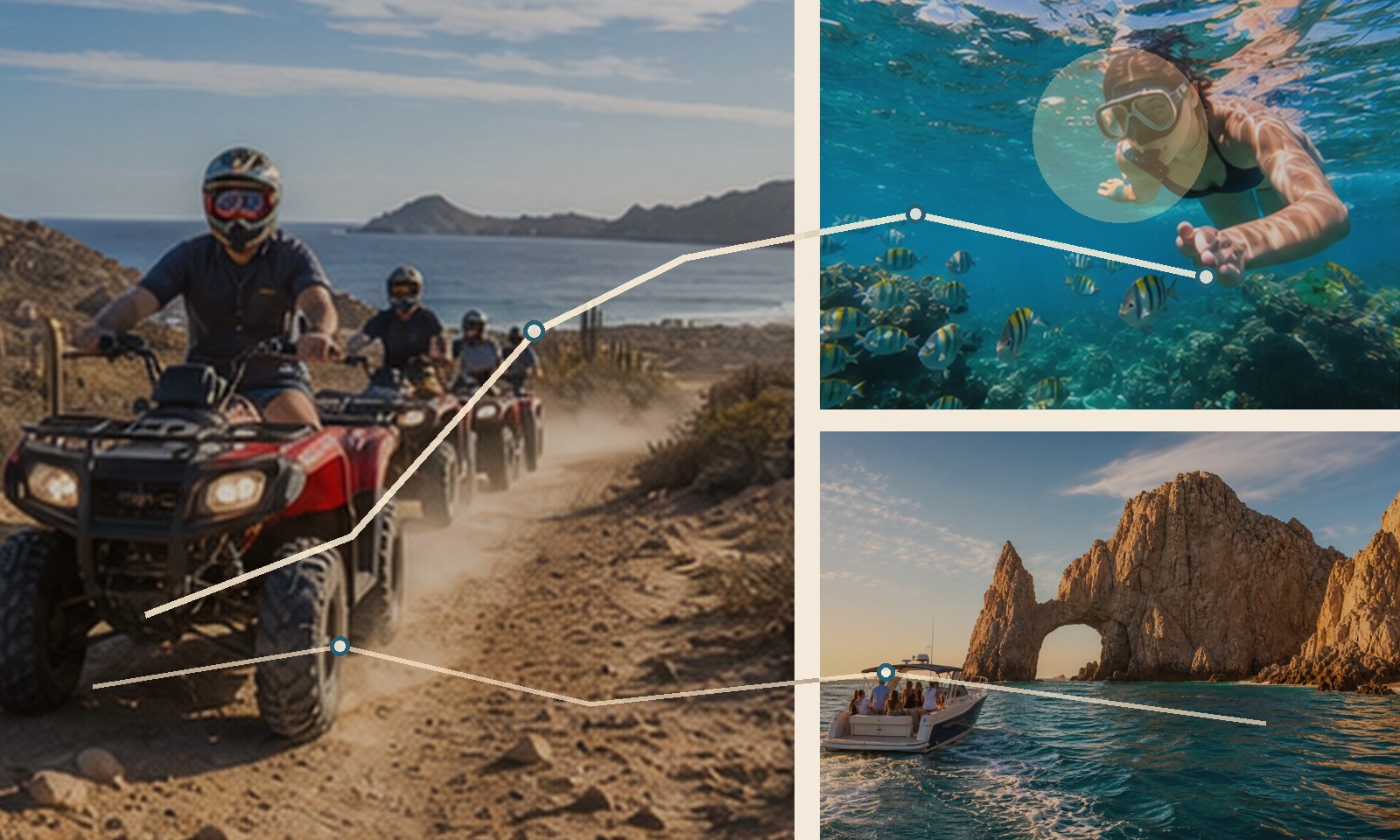
Baja adventure routes is a powerful search phrase because people using it are not looking for a single hotel or a single activity. They are looking for movement, range, and a faster way to understand how Baja actually opens up once you leave the obvious path. Baja adventure routes are at their strongest when they solve for different personalities without becoming messy. That makes this type of content useful for travelers, operators, media companies, and map products all at once. A strong route brand can meet those readers with confidence instead of noise, showing not only where the terrain goes, but how the day should feel when it gets there.
Start with route shape, not with scattered highlights
That usually means combining one energetic route leg with one slower scenic or cultural piece so the day can satisfy both adrenaline seekers and quieter travelers. In practice, that means thinking like an editor instead of a list-maker. A route becomes memorable when it has contrast, rhythm, and one or two signature moments that justify the whole build. Baja does not need help feeling dramatic. What it needs is curation. If every section is equally loud, the route becomes harder to explain and even harder to sell. The better move is to let one terrain type open the day, another deepen it, and one final moment close it cleanly.
Planning discipline is what makes the adventure feel premium
The best mixed-group itineraries decide where the energy peak sits, where rest lives, and which segment creates the shared story everybody talks about later. Premium route content does not feel premium because it uses expensive words. It feels premium because the plan clearly respects the user's time, energy, and confidence. That might mean choosing a shorter but more cinematic segment, protecting the schedule from midday overreach, or building in a camp, beach, or town pause that keeps the whole trip from reading as a blur. The route sells better when the transitions make sense.
Where most brands lose the room
The trap is adding too many equal-weight experiences, because the trip starts to feel scattered instead of rich. Search traffic can be earned with a headline, but trust is earned when the article actually helps someone imagine using the route without unnecessary friction. That is especially true in Baja, where heat, dust, logistics, and distance all change what looks simple on a map. The best-performing guide content talks people through those realities in a calm tone and still keeps the destination feeling exciting.
Why this keyword has real business value
Tourism companies, media brands, and high-end trip planners can all use that structure to sell Baja as both broad and coherent. That is why route-led keywords are so useful on a domain like BajaTrails.com. The domain sounds natural for editorial content, lead generation, memberships, trip planning, and even software. A good guide page does not merely attract search traffic. It demonstrates that the name can carry a real product ecosystem.
Quick planning checklist
- Decide whether the day is selling pace, scenery, camp quality, or recovery time before you map every mile.
- Use one terrain shift to create contrast instead of forcing three big moods into one route.
- Protect fuel, weather, regroup, and turnaround logic early so the route reads as confident, not reckless.
- Save the strongest photo or emotional payoff for a point when the group still has energy to appreciate it.
- Frame the route in language that helps buyers, readers, or customers picture the experience clearly.
Baja adventure routes works best when the article respects both adventure and clarity. Baja already has scale, mystery, and visual force. The real opportunity is packaging those qualities into route content that feels intentional enough to trust and expansive enough to want. That is what makes a guide useful today and what makes a brand like BajaTrails.com valuable over the long run.